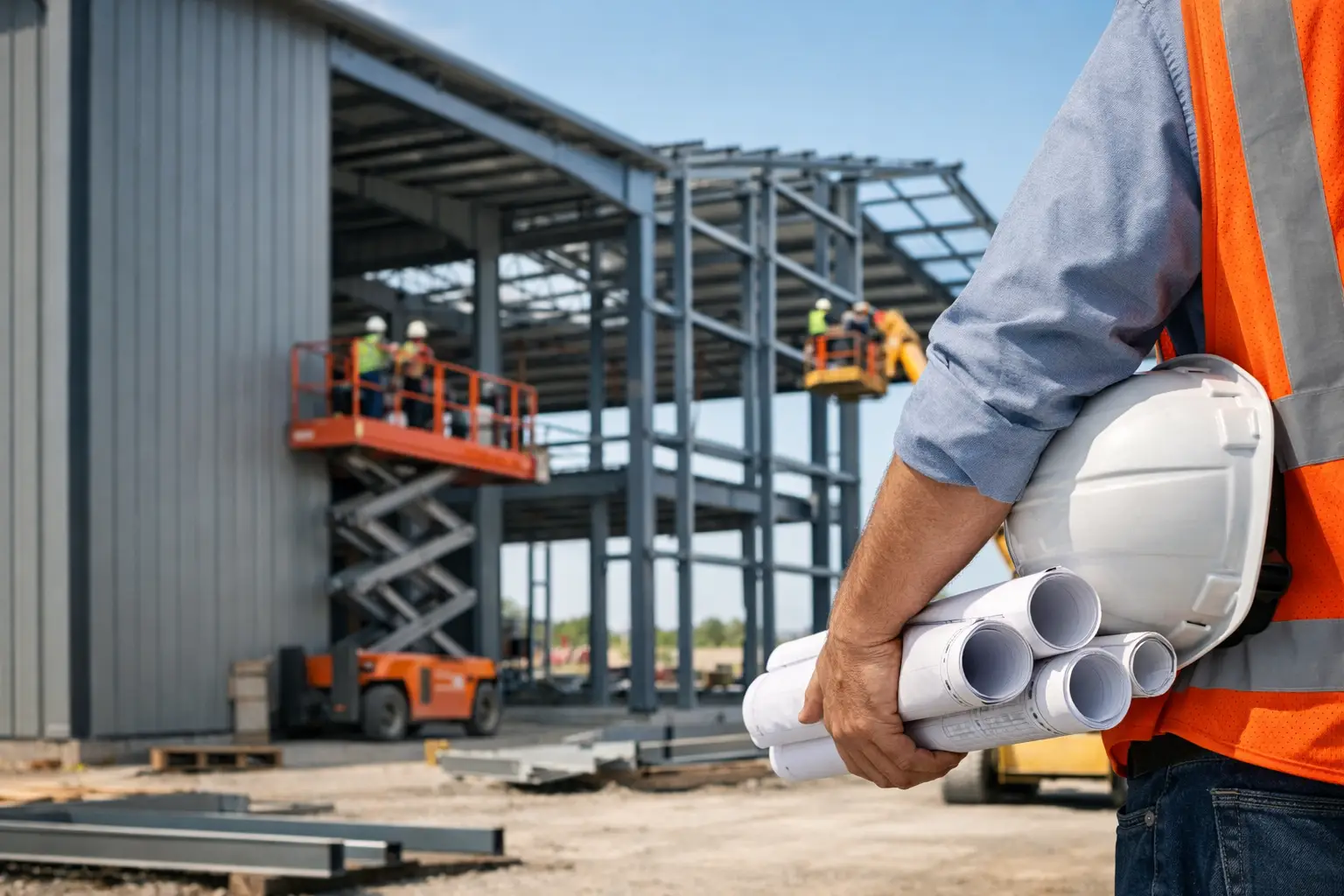
A lot of metal building projects go off track before the concrete is even poured. The issue usually is not the steel package. It is the handoff between design, engineering, suppliers, and the crew expected to build it. That is why turnkey metal building construction matters. It puts the moving parts under one plan, one schedule, and one clear scope so owners are not left piecing the job together on their own.
If you are building a barndominium, shop, warehouse, self-storage facility, hangar, or flex space, the appeal is pretty obvious. You want a building that fits the use, a price range that makes sense, and a team that can actually get the job done. What you do not want is to buy a kit first, then realize the foundation plan, erection sequence, insulation package, or local code requirements were never lined up.
What turnkey metal building construction really means
In plain terms, turnkey metal building construction means the project is handled from planning through completion, with the goal of delivering a ready-to-use building. The exact scope can vary, and that is where many buyers get confused. For one contractor, turnkey may include site prep, slab, erection, insulation, doors, windows, liner panels, and interior build-out. For another, it may stop at a dried-in shell.
That is why the word turnkey should always be followed by a detailed scope of work. A serious provider will spell out what is included, what is excluded, who is handling engineering, and where owner responsibilities begin. If that part stays vague, the project is not really turnkey. It is just bundled sales language.
For most buyers, the value is not only convenience. It is coordination. A pre-engineered metal building has to match the floor plan, loads, openings, foundation design, and local code requirements. Then the installation crew has to receive the right package, on the right timeline, with the right equipment and labor. When those pieces are disconnected, cost overruns and delays show up fast.
Why buyers choose a turnkey path
Most property owners are not trying to become their own general contractor. Even experienced investors and developers know that coordinating separate vendors can eat up time and create finger-pointing when something goes wrong.
A turnkey path works best for buyers who want cost clarity early, fewer handoffs, and one accountable process. That includes rural landowners planning a barndominium or workshop, business owners building storage or warehouse space, and developers trying to move a commercial project from concept to construction without chasing five different companies.
There is also a quality control advantage. When the building supplier, engineering details, and contractor selection are aligned from the start, the project is less likely to suffer from mismatched expectations. That does not make every turnkey job easy. Site conditions, permit timing, and finish selections can still affect schedule and price. But it gives the project a cleaner path.
What is usually included in turnkey metal building construction
The right package depends on the project type, but most turnkey jobs include preconstruction planning, the engineered metal building kit, and construction labor. Planning often starts with the building use, floor plan, dimensions, roof style, insulation goals, and code requirements. From there, the structural system can be matched to the real needs of the job instead of guessed at from a generic quote.
The construction side may include site work, grading, concrete, anchor bolt setting, steel erection, roof and wall panels, trim, overhead doors, walk doors, windows, and insulation. On some projects, especially commercial or residential builds, the scope can also include framing, plumbing, electrical, HVAC, and interior finishes.
This is where trade-offs matter. A full turnkey build is easier for the owner, but it is not always the cheapest option on paper. If you already have a trusted concrete crew or you want to handle interior finishes yourself, a partial-turnkey approach may make more sense. The key is defining that boundary before the quote is built.
Where projects usually go wrong
The biggest mistakes tend to happen in the early planning stage. Buyers often focus on square-foot pricing before the building design is settled. That creates unrealistic expectations because a basic storage shell and a fully finished barndominium are not even close to the same project, even if the footprint is identical.
Another common issue is buying a metal building kit before confirming local requirements. Wind exposure, snow load, seismic conditions, fire separation, occupancy type, and energy code can all affect the engineering and total cost. A cheap quote that does not match the permit requirements is not a savings. It is a reset.
Contractor mismatch is another problem. Metal building erection is its own skill set. A good residential builder is not automatically a good steel erector, and a crew that can put up a simple shop may not be the right fit for a large self-storage or flex-space development. Experience with similar spans, panel systems, and project sequencing matters.
How pricing works on a turnkey metal building project
There is no honest one-size-fits-all number for turnkey pricing, because too many variables drive the final cost. Size matters, but use matters more. A cold storage shop, a finished office warehouse, and a barndominium all carry very different budgets per square foot.
The main cost drivers are site conditions, concrete requirements, structural loads, building dimensions, roof design, insulation, openings, interior finish level, and local labor rates. Geography also matters. The same steel package can produce very different installed costs depending on local subcontractor availability and permit conditions.
Buyers should also understand the difference between a kit quote and a turnkey quote. A kit quote covers the engineered steel building package. A turnkey quote includes the labor, sequencing, and field conditions required to complete the project. Comparing the two as if they are equal leads to bad decisions.
The best pricing process usually starts with a real plan, not a rough idea. Even if the floor plan is still being refined, the more clearly the building use, dimensions, and finish expectations are defined, the more accurate the quote becomes. That saves time and cuts down on expensive redesign later.
How to evaluate a turnkey provider
A good turnkey partner should be able to explain the project path in plain English. That includes what happens first, who handles engineering, how the kit is sourced, what contractor support looks like, and what owner decisions could affect schedule or cost.
Ask how scopes are written. Ask who is responsible for permits and what assumptions are built into the quote. Ask whether the contractor has direct experience with your building type. A barndominium, aircraft hangar, mini-storage facility, and commercial warehouse do not follow the same playbook.
It also helps to work with a group that understands both sides of the process – the building system and the field execution. That is where many projects break down. A metal building is not just a set of drawings and delivered steel. It is a coordinated construction sequence, and the details matter. Turn Key Building Finder exists to simplify that process by helping buyers line up the right floor plan, the right engineered kit, and the right contractor path for the job.
Is turnkey metal building construction right for every project?
Not always. If you are an owner-builder with strong local crews and time to manage subcontractors, you may prefer to buy the building package and control the rest yourself. That can work well on simpler projects where you already know the process and have trusted relationships in place.
But for many buyers, especially first-time builders or out-of-area owners, turnkey is the safer route. It reduces the chance of disconnected bids, unclear scope gaps, and construction delays caused by poor coordination. It also gives you a better shot at getting realistic pricing upfront instead of chasing cheap numbers that do not hold up once the job becomes real.
The smartest move is to decide early how much of the project you want to manage and how much risk you want to carry. If the goal is a cleaner process, clearer accountability, and a building that is actually matched to your use, turnkey is worth a serious look.
A metal building project gets easier when the decisions are made in the right order. Start with the building use, lock in the plan, match the system, and make sure the construction path is defined before money starts moving. That is how you avoid guesswork and give your project a real chance to finish strong.