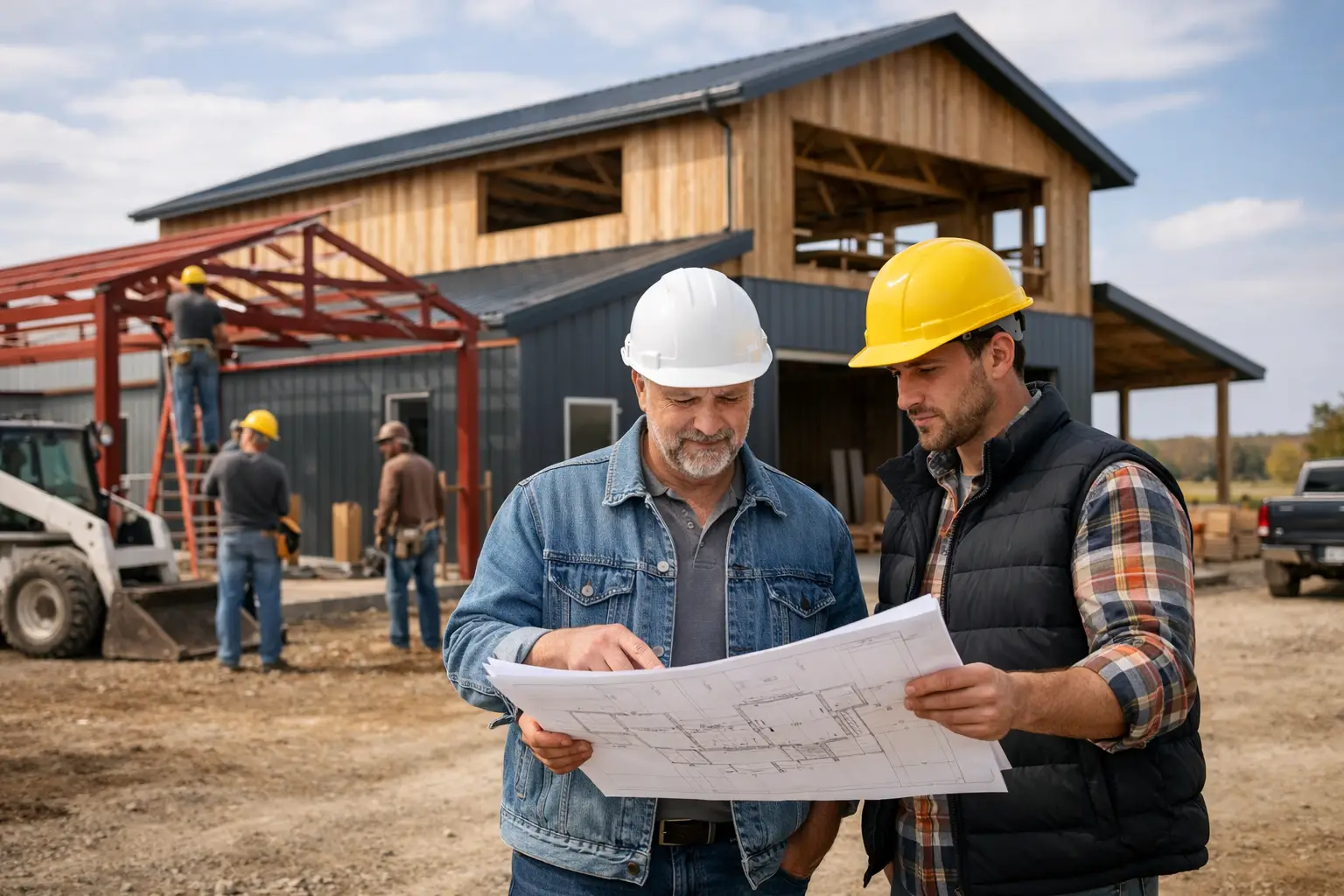
A barndominium build can look simple from the road: a metal shell, a slab, and a finished living space inside. The construction process is not that simple. Your project may require site preparation, foundation work, a building package, framing, insulation, mechanical systems, interior finishes, and coordination between several trades. The right barndominium contractor directory gives you a more practical starting point than a broad search for “builders near me.” It helps you identify independent contractors who work in your state and may serve the type of project you are planning.
For homeowners, the goal is not to find the first name available. It is to find a contractor whose experience, service area, construction approach, and communication style fit the job. For builders, being visible where serious project owners are looking can create worthwhile opportunities without spending time chasing inquiries outside their normal territory.
What a Barndominium Contractor Directory Should Help You Do
A useful directory does more than collect business names. It should help narrow your search based on the basics that affect whether a conversation is worth having: where the contractor works, what types of buildings they handle, and whether their services align with the stage of your project.
Some contractors manage a build from early site coordination through final construction. Others focus on a defined part of the work, such as foundations, metal building erection, framing, or finish-out. Neither model is automatically better. A homeowner with land, a clear plan, and reliable local trade contacts may need a contractor for a specific scope. A first-time builder may prefer a general contractor who can coordinate more of the moving parts.
That distinction matters when comparing quotes. A lower number may cover less work, while a higher number may include coordination, allowances, or site-related items that another proposal leaves to the owner. A directory helps you begin the right conversations, but the scope of work is what makes those conversations useful.
Start With Your Project Details, Not Just a Search
Contractors can give better initial guidance when you arrive with a defined project. You do not need every finish selected before making contact, but vague requests often produce vague pricing and wasted time.
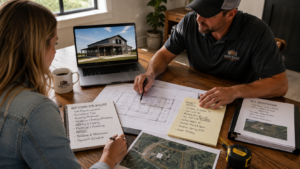
Before reaching out, organize the essentials: your project location, whether you own the land, the approximate building size, intended use, desired timeline, and the level of completion you want. Be clear about whether you are planning a full-time residence, a shop with living quarters, a detached garage, or a workshop. Those uses can affect layout, utilities, interior requirements, and the contractors who are a good fit.
If you have a finalized floor plan, share it. If not, provide a simple description of the room count, square footage range, ceiling heights, porch areas, and any features that may affect pricing. Large doors, long spans, covered outdoor areas, complex rooflines, and a high-end interior finish-out can all change the construction approach.
Land conditions also belong in the first conversation. A builder will likely want to know about access from the road, existing utilities, drainage, slope, soil information if available, and any known site restrictions. You do not have to solve those issues yourself. You do need to disclose what you know so a contractor can identify questions early instead of finding surprises after a quote is issued.
How to Compare Contractors Without Guesswork
Once you have several possible contacts, compare how each contractor approaches the job rather than comparing a single bottom-line figure. Ask what work they perform directly, what work is typically handled by subcontractors, and who will be your primary point of contact during construction.
A contractor should be able to explain their usual process in plain language. That includes how they review plans, when they can assess the site, what information is needed before pricing, and how they handle changes after work begins. If the answers stay general after you provide clear project details, it may be difficult to get a dependable proposal later.
Ask each contractor to identify what is included and excluded from the quote. Common differences can involve excavation, driveway access, utility connections, concrete specifications, building materials, insulation, interior materials, appliances, landscaping, permits, and contingency allowances. A proposal does not need to predict every unknown, but it should make the known scope clear.
It is also reasonable to discuss past work relevant to your project type and to ask for references when appropriate. Check state and local requirements that apply to your project, and confirm that the contractor can work in your location before investing too much time in design discussions. Requirements vary by jurisdiction, and a contractor’s service area may be narrower than the whole state.
Compare Scope Before Price
A quote is only comparable when the work being priced is comparable. If Contractor A includes a finished interior and Contractor B is pricing only the shell and slab, the lower number is not a savings. It is a different project.
Request written proposals that separate major components where practical. You should be able to see whether site work, foundation, building erection, exterior doors and windows, plumbing, electrical, HVAC, insulation, drywall, cabinets, flooring, and finish details are addressed. If an item is an allowance, ask what that allowance is based on and what happens if the actual cost differs.
This level of detail protects both sides. Homeowners have fewer assumptions, and contractors spend less time revising expectations after the project has moved forward.
Questions Worth Asking Before You Request a Quote
The first call should not feel like an interrogation. It should establish whether the contractor and project are a reasonable match. Ask whether the contractor serves your county or area, whether they handle projects of your size, and whether they are comfortable working from your floor plan and building specifications.
Discuss scheduling honestly. A contractor may have room to begin site review soon but not start construction for several months. That does not make them a poor option. A realistic schedule is generally more useful than a quick answer that cannot be supported once materials, weather, subcontractors, and site conditions enter the picture.
You should also ask how changes are documented. Most builds evolve as owners make finish selections or encounter site conditions. The key is having a clear process for pricing and approving changes before additional work is performed.
For a barndominium or metal building project, clarify who is responsible for coordinating the building package and how the contractor works with the building supplier. Some builders have established relationships with suppliers; others are willing to work with an owner-selected package. The best arrangement depends on the contractor’s process, the plan, and the level of coordination you want.
Using the Directory as a Homeowner
The Turnkey Floor Plans contractor directory is designed to help homeowners find independent contractors by state and service area for barndominiums, metal buildings, shops, garages, workshops, and related projects. Use the Find a Turn Key Contractor section as a starting point, then contact suitable builders with the same core project information so each conversation begins on solid ground.
Do not expect a directory listing to replace your own evaluation. Treat it as a way to reduce the initial search burden. The contractor still needs to review your location, plans, scope, and schedule before deciding whether to pursue the project or provide pricing.
If your area has limited coverage, widen the service-area search carefully. Some contractors travel for the right project, while others keep a close radius because local trade relationships and site visits are central to their work. Ask rather than assume.
Why Contractors Benefit From a Clear Listing
For contractors, a directory listing works best when it is specific. Homeowners are not looking only for a company name. They want to know whether you build in their area and whether you are open to the project categories they are considering.
A complete profile should accurately state the states, regions, counties, or metro areas you serve. It should also describe your typical work, whether you provide general contracting or specialized services, and the information you need before discussing a quote. Clear service boundaries prevent inquiries that were never a fit and make the good inquiries easier to identify.
Basic contractor listings are free. Qualified general contractors, barndominium builders, metal-building contractors, and related builders can complete the FREE contractor signup form for the states and service areas they serve. The nationwide network is growing across all 50 states, and accurate listings help match homeowners with independent contractors who are actually relevant to their build.
A directory is not a promise of work, and no listing can replace good follow-up. It can, however, put your business in front of people who have moved beyond casual ideas and are looking for a practical path toward construction.
A better build usually starts with better information. Bring a clear project outline, compare scopes carefully, and choose conversations that move your plans forward instead of creating more uncertainty.