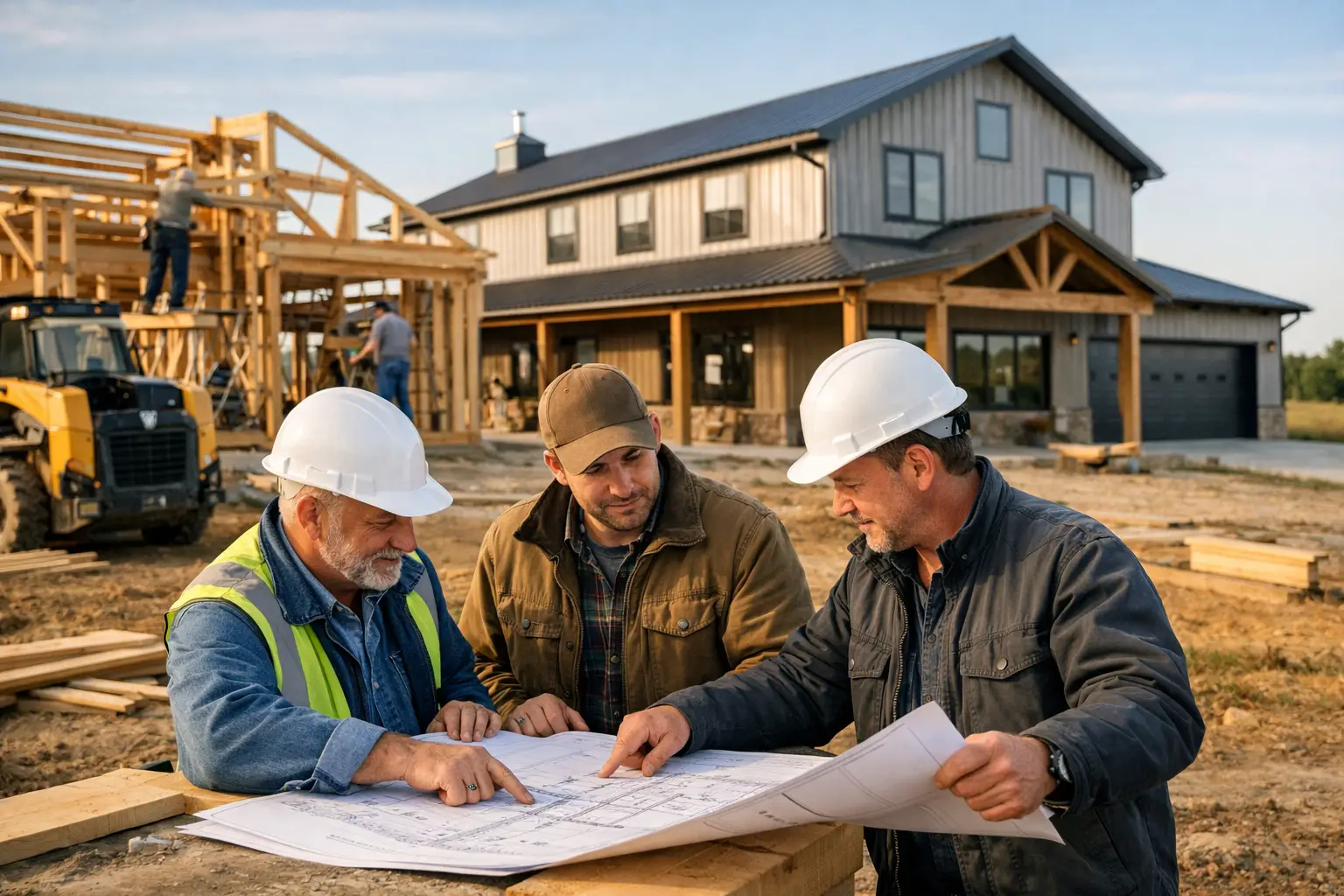
A barndominium inquiry can look simple at first: a homeowner has land, a sketch, and a request for a price. In practice, the best barndominium leads for contractors come from people who have moved beyond browsing and are ready to discuss site conditions, building scope, timing, and budget. The difference matters. Better-fit inquiries save contractors time and give homeowners a clearer path to a realistic build.
For a contractor, the goal is not to chase every inquiry. It is to be visible where serious homeowners are looking, explain the work your company actually performs, and qualify projects before estimating consumes valuable hours. For homeowners, the goal is equally direct: find an independent contractor serving their area who understands the kind of structure they want to build.
What Makes a Barndominium Lead Worth Pursuing?
A useful lead has enough project detail to begin a productive conversation. The homeowner may not know every finish selection or final square footage yet, but they should be able to explain the basic build: a full-time residence, a residence with an attached shop, a detached workshop, garage, or metal building package that needs construction coordination.
Land status is one of the first details to clarify. A customer who already owns a buildable parcel and has begun considering access, utilities, drainage, and local requirements is usually further along than someone casually comparing ideas. That does not make early-stage customers bad prospects. It simply changes how much preliminary guidance and follow-up the job may require.
A strong inquiry also matches your service area and capabilities. A general contractor who manages complete residential barndominium projects may be a good fit for a homeowner seeking a full build. A contractor focused on concrete, framing, interior finish-out, or metal-building erection should be clear about that scope. Clear expectations prevent a homeowner from assuming one company will handle work it does not offer.
Budget conversations deserve the same clarity. A homeowner does not need a perfect number on day one, but they should understand that site work, foundation design, utilities, building materials, labor, interior finishes, and local conditions all affect the final project cost. Contractors who discuss these variables early tend to receive fewer requests based on unrealistic assumptions.
How Contractors Turn Interest Into Better Opportunities
Getting found is only the first step. Contractors earn better opportunities by making it easy for a homeowner to determine whether the company is a practical fit. A concise listing or introduction should state the counties, cities, or regions served; the types of projects accepted; and whether the company handles new builds, additions, shops, garages, or barndominium finish-outs.
Specificity beats broad claims. “We build everything” leaves too many questions. “We serve central Texas and surrounding counties, with experience coordinating new barndominium homes, attached shops, concrete foundations, and interior construction” gives a homeowner something useful to evaluate. The right wording depends on your actual work, crew capacity, and preferred project size.
Response speed matters, but a rushed estimate is not good service. A practical first response acknowledges the request and asks for the information needed to assess it. That may include the property location, estimated building size, desired use, target timeline, floor plan status, photos or a survey if available, and a description of the work requested. If a project is outside your normal radius or scope, say so promptly rather than letting the conversation stall.
Contractors should also explain their process. Some builders begin with a site visit. Others need preliminary drawings, structural information, or building-package details before discussing numbers. Neither approach is automatically better. The homeowner needs to know what happens next, what information is missing, and when they can reasonably expect a response.
Qualifying Leads Without Making Homeowners Feel Dismissed
Qualification is not a gatekeeping exercise. It is how contractors protect their estimating time while helping homeowners make better decisions. A short, organized set of questions can uncover the issues that shape a project long before construction begins.
Ask whether the customer owns the land or is still searching. Confirm the property address or general location so you can assess your service area. Ask what they want to build, whether they have a floor plan or building concept, and whether they need a full construction partner or a defined portion of the work.
It also helps to ask about the intended start date. A homeowner hoping to break ground next month has different needs than one planning for next year. Both may become good customers, but their follow-up schedule should not be the same. Contractors who track project stage can focus immediate attention on active opportunities without abandoning long-term prospects.
Avoid treating a budget question as a test the homeowner must pass. Instead, use it to establish a workable range and educate them on the main variables. If their expectations do not match the likely scope, an honest conversation now is better than frustration after a detailed estimate. Respectful candor builds trust, even when the project is not a fit.
Why a Complete Contractor Profile Helps Homeowners Choose
Homeowners are often trying to compare contractors while sorting through a construction process they have never managed before. They want to know whether a contractor works in their area, takes their project type, and has a clear way to begin. A complete profile helps answer those questions before the first phone call.
For contractors, a basic free listing can create another place for qualified local customers to find the business. Turnkey Floor Plans is expanding its nationwide network of independent contractors for homeowners planning barndominiums, metal buildings, shops, garages, workshops, and related residential projects. Contractors can visit the FREE contractor signup form for their state and service area and describe the work they perform.
That description should remain accurate as your business changes. Update service areas when they expand or contract. Remove project categories you no longer accept. If you specialize in certain building sizes, structural systems, or phases of construction, state that plainly. Accurate information can reduce mismatched calls and improve the quality of conversations that do reach you.
What Homeowners Should Prepare Before Contacting a Contractor
Homeowners can help contractors provide more useful guidance by gathering a few core details before requesting quotes. A property address or location, a rough building size, intended use, target timeline, and any available plans give a builder a better starting point. It is also useful to identify priorities, such as living space, shop space, storage, vehicle bays, porches, or a particular interior finish level.
Requesting several quotes is reasonable, but the requests should describe the same scope as closely as possible. One contractor may include site preparation or interior finishes while another prices only a shell or a narrower phase of work. A lower number is not meaningful until the homeowner understands what is included, excluded, or still unknown.
Homeowners should use the Turnkey Floor Plans contractor directory to Find a Turn Key Contractor serving their state, then contact companies whose stated services match the project. Ask how they approach estimates, what information they need, and who will coordinate the major phases of the work. This is more productive than choosing solely on a quick price conversation.
Build Better Conversations From the Start
The best contractor leads are not necessarily the ones that arrive with every answer already decided. They are the ones where both sides are willing to define the work, discuss constraints, and establish a practical next step. Contractors who present their scope clearly and respond with organized questions stand out. Homeowners who arrive prepared make it easier for the right builder to evaluate the job honestly.
No guesswork. No wasted time. Just a clearer route from a barndominium idea to a construction conversation that fits the project, the property, and the contractor taking it on.