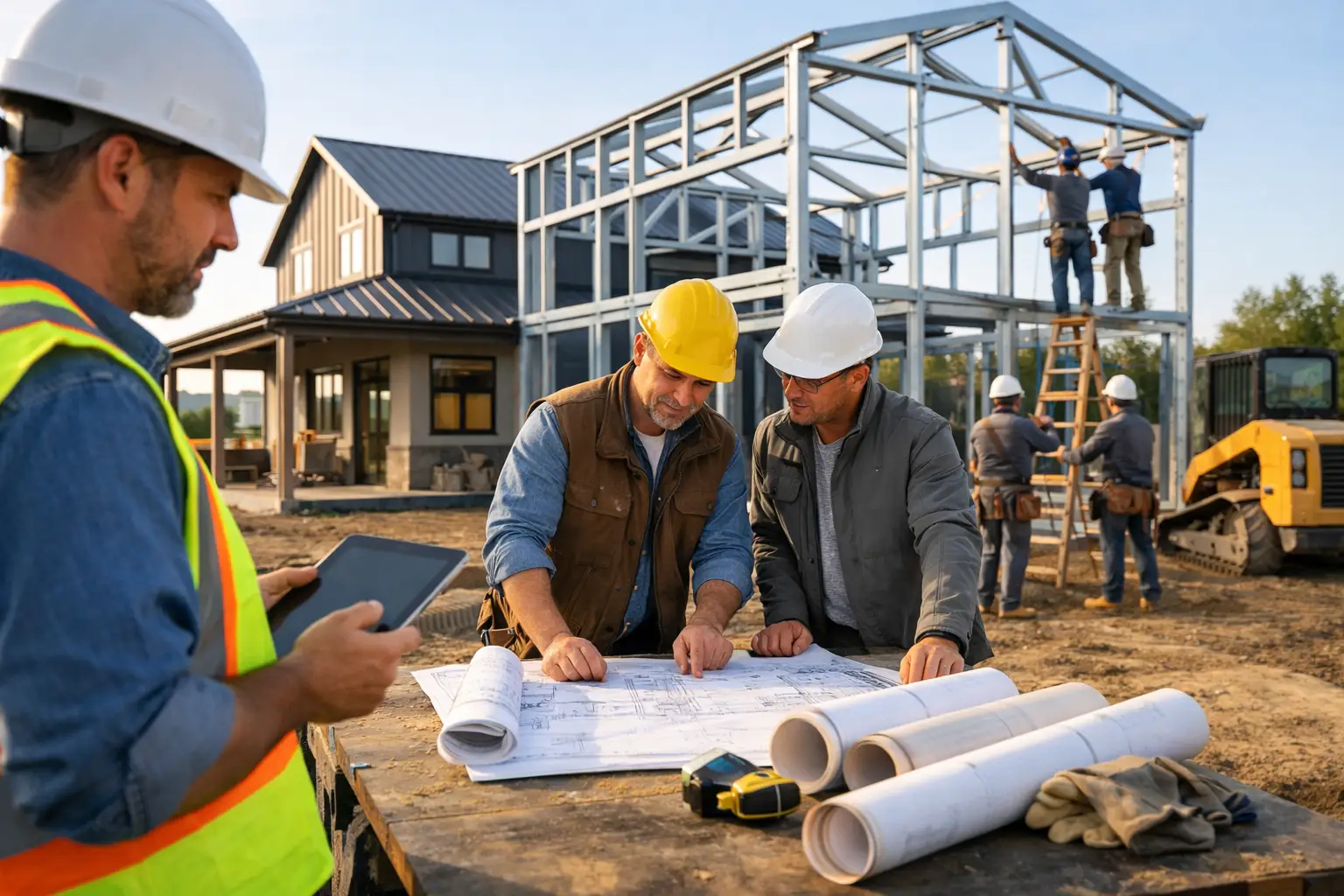
A contractor directory gives a homeowner a better starting point than a broad search for “contractors near me.” When you are planning a barndominium, metal building, detached garage, shop, or workshop, the right builder needs experience that matches the structure, site, and scope of your project. The goal is not to find the first name available. It is to create a short list of independent contractors you can evaluate with clear information.
For contractors, a directory is also a practical way to be found by homeowners searching for the project types and service areas they handle. A good listing sets expectations early, before either side spends time on a call that is not the right fit.
What a Contractor Directory Should Help You Do
A useful contractor directory does more than display business names. It should help homeowners narrow the search by state, city, service area, and project category. Someone building a rural barndominium may need a general contractor familiar with residential construction, site conditions, local permitting processes, and coordinating trades. A homeowner planning a backyard workshop may be looking for a metal-building contractor or garage builder with experience in smaller accessory structures.
Those are different jobs, even when both use a steel-frame building package. The building system, foundation requirements, finish level, utilities, and local code requirements can change the contractor profile you need.
Look for listings that explain the contractor’s service area and the kinds of projects they pursue. Details matter. A builder who focuses on finished barndominiums may not be the best fit for a shell-only shop project. Likewise, a contractor who installs building packages may not handle interior completion, plumbing, electrical work, or site preparation. Neither approach is wrong, but the scope must be clear.
A directory should help you identify potential matches. It should not replace your own due diligence, written agreements, or conversations about who is responsible for each phase of the build.
Start With the Project, Not the Builder Name
Before contacting contractors, define what you want to build well enough to have a productive first conversation. You do not need every finish selected, but you should be able to describe the building’s intended use, approximate size, location, and desired level of completion.
For a barndominium, that usually includes the number of bedrooms and bathrooms, heated square footage, attached shop or garage space, porch areas, exterior style, and whether you already have land. For a shop or garage, clarify the dimensions, wall height, door sizes, insulation needs, power requirements, and whether the building will be finished inside.
A finalized or near-final floor plan is especially helpful for a home project. It allows a contractor to see the layout, rooflines, major room locations, and likely construction complexity. Changes made after pricing can affect materials, labor, engineering, and scheduling, so a stable plan leads to more useful early estimates.
It also helps to know where your project stands. Are you comparing land options? Do you own the property? Is the site accessible for deliveries and equipment? Have you considered utilities, drainage, driveway access, and soil conditions? A contractor can ask better questions when you give them the real starting point.
How to Compare Contractors in a Directory
Do not compare builders only by a short description or a single estimated price. Use the directory to create a manageable list, then compare how each contractor approaches your type of project.
Ask whether the contractor works in your county and how far they typically travel. Service areas can be broad on paper, but distance affects mobilization, crew scheduling, material delivery, and the practicality of follow-up work. If your land is remote, mention that immediately.
Next, ask about similar completed project types. For example, a homeowner planning a 2,000-square-foot barndominium with an attached shop should ask about comparable residential builds, not just steel structures of any kind. For a garage builder, ask about projects with similar slab size, overhead doors, electrical needs, and finish level.
The scope conversation is where many misunderstandings begin or end. Discuss whether the contractor’s pricing may include site work, foundation, building erection, exterior finishes, interior framing, insulation, mechanical systems, and final completion. If a contractor does not provide one of those elements, ask whether you will need to coordinate it separately.
Price still matters, but quote comparisons only work when the scopes are similar. A lower figure may exclude work another contractor included. A higher figure may reflect greater finish detail, more difficult site conditions, or a more complete project package. Ask for written descriptions of what is included, what is excluded, and which allowances may change.
Questions Worth Asking Before You Request a Quote
A first call does not need to feel like an interrogation. It should help both sides determine whether the project is a workable fit. Bring your floor plan or building concept, property location, target size, and a realistic idea of your budget range.
Ask how the contractor handles the estimating process and what they need before providing a detailed quote. Some projects can receive an early budget range from basic information. Others require a site visit, a developed plan, structural requirements, or selections before pricing can be meaningful.
Discuss timing directly. Ask when they could review the project, what phase they would start with, and what factors could affect the schedule. Weather, permitting, material lead times, site readiness, and subcontractor coordination all influence a build timeline. A specific start date is not useful if the project is still missing decisions or site information.
You should also ask how changes are documented once construction begins, who will be your main point of contact, and how payment milestones are structured. Review references, insurance documentation, credentials, and any applicable local requirements independently before signing an agreement. Requirements vary by location and project type, so confirm local rules with the appropriate authority.
Why Local Knowledge Still Matters in a Nationwide Search
A nationwide contractor network gives homeowners more ways to begin the search, particularly in areas where specialized barndominium and metal-building experience can be harder to locate. But construction remains local in the ways that count.
Climate affects foundation planning, insulation choices, roof details, and material decisions. County and municipal requirements may differ even between nearby communities. Rural land can introduce access, grading, septic, well, utility, and drainage questions that need attention before a building crew arrives.
That is why the best contractor match is not always the closest listing or the biggest company name. It depends on the contractor’s project experience, willingness to serve the location, communication style, and ability to define the work clearly. A directory helps you find candidates. The conversations that follow determine whether the fit is right.
A Better Path for Contractors Seeking Visibility
Homeowners often search by building type first: barndominium builder, metal building contractor, shop builder, garage builder, or general contractor in a specific state. A clear directory listing helps put your business in front of people who are already considering that kind of project.
Be specific about the areas you serve and the work you want to perform. If you build turnkey barndominiums, say so. If you focus on shells, garages, shops, post-frame work, foundations, or interior completion, make that clear as well. Accurate information produces better inquiries than broad claims ever will.
Turnkey Floor Plans is expanding its nationwide network of independent contractors across all 50 states. Basic contractor listings are free. Contractors who want to be considered by homeowners looking for their services can use the FREE contractor signup form and list the states and service areas they serve.
Use the Directory to Prepare for a Good Conversation
The value of a contractor directory is not that it makes construction simple. Building a home, shop, garage, or workshop still involves real decisions about land, design, scope, budget, and timing. What it can do is remove some of the blind searching and give you a more organized way to find qualified potential matches.
When you are ready, use Find a Turn Key Contractor to begin building a focused list. Bring a clear project description, share your floor plan when available, and ask direct questions about scope. No guesswork. No wasted time. Just a better first step toward the build you have in mind.
Leave a Reply