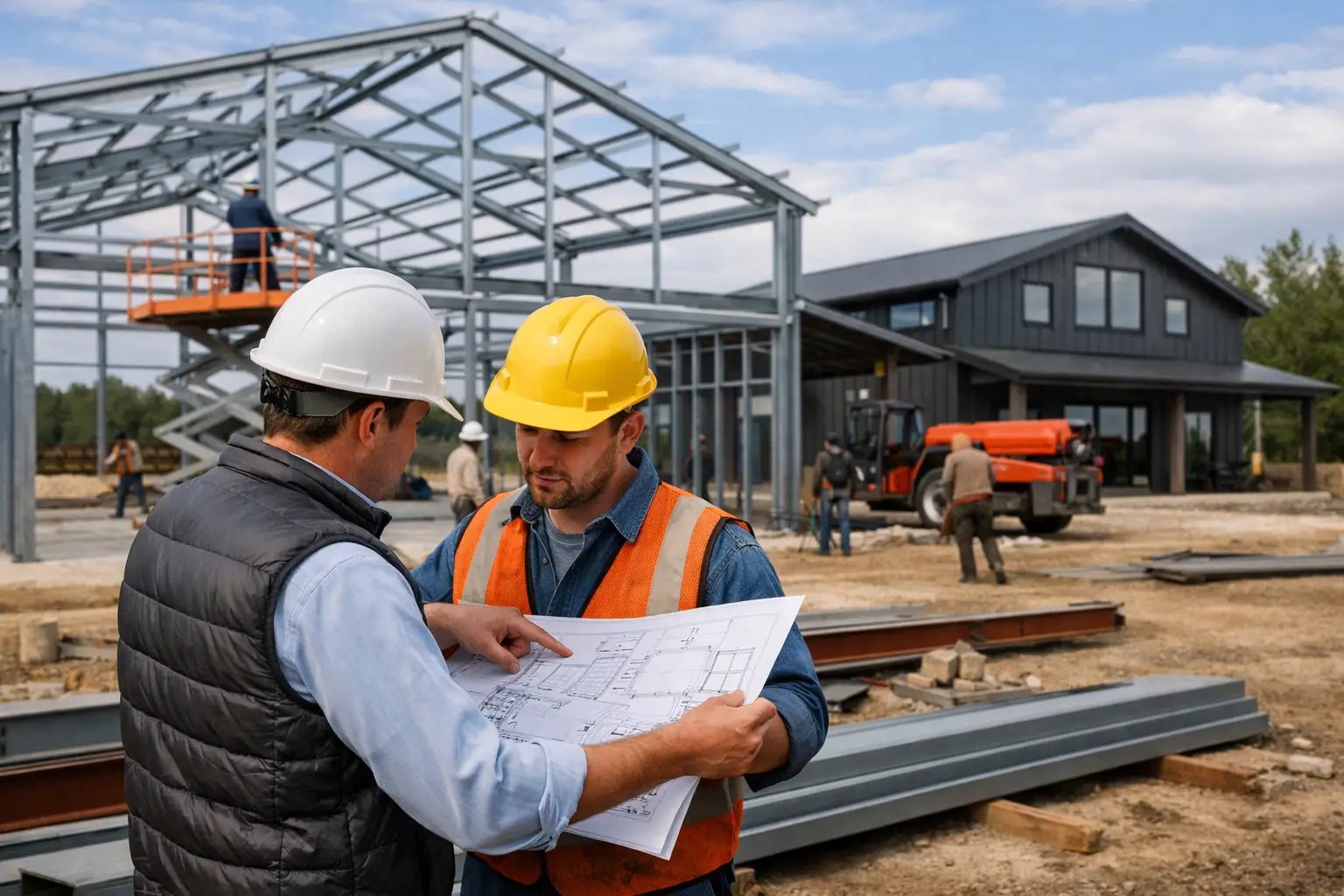
A metal building quote can look simple until you compare what each contractor actually plans to build. One price may include a slab, insulation, and interior framing. Another may cover only the shell. When homeowners search for metal building contractors near me, the real goal is not just finding a name nearby. It is finding a contractor whose experience, scope, communication, and schedule fit the project on your land.
That matters whether you are planning a barndominium, detached garage, workshop, hobby shop, or equipment building. Metal construction has its own coordination points, from the building package and foundation to openings, insulation, and finish work. A better selection process helps you avoid expensive assumptions before construction starts.
Start With a Clear Project Description
Contractors can give more useful feedback when the project is defined beyond square footage. Before requesting quotes, put together a short project brief that explains what you want to build, where the property is located, and how you plan to use the finished space.
Include the approximate building dimensions, wall height, roof style, number and size of garage doors, entry doors, windows, and whether the project will be a finished living space, a basic shop, or something in between. If you already have a floor plan for a barndominium, share the latest version rather than describing room layouts from memory.
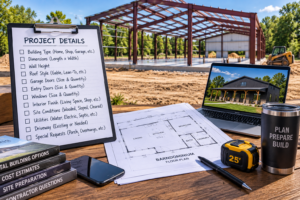
Your brief should also identify site conditions that may affect pricing. Mention whether the lot is wooded, sloped, remote, already cleared, or served by utilities. Let contractors know if a driveway exists and whether there are visible drainage concerns. They may need a site visit or additional information before providing a reliable number, but an organized starting point reduces back-and-forth.
What Metal Building Contractors Near Me Should Handle
Not every contractor handles every phase of a metal building project. Some focus on erecting the metal shell. Others manage a broader residential build that may include site preparation, foundations, framing, plumbing, electrical coordination, insulation, and interior finishes. Neither approach is automatically better. It depends on the project and on who will coordinate the work.
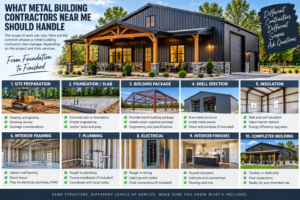
Ask each contractor to describe their role in plain language. Are they providing the building package, installing an owner-supplied package, or both? Will they handle the slab and foundation requirements? Are doors, windows, insulation, and interior partitions part of their scope? If the building will become a home, ask whether they regularly work on barndominium projects with finished interiors or whether they stop after the exterior structure is complete.
This conversation prevents a common problem: comparing a full project quote against a shell-only quote. A lower number is not necessarily a better number if it leaves major work for you to arrange later.
The Building Package Needs Attention Too
A metal building package and its installation are connected, but they are not the same thing. The package may be supplied through a manufacturer or dealer, while a local contractor prepares the site and erects it. Confirm who is responsible for ordering, delivery timing, verifying components, and addressing missing or damaged materials.
You should also ask how the contractor will work from the package drawings and what information they need before the slab is poured. Foundation layout, anchor bolt placement, wind and snow design criteria, and opening locations should be coordinated early. Changes after concrete is placed can become costly.
Compare Quotes by Scope, Not Just Total Price
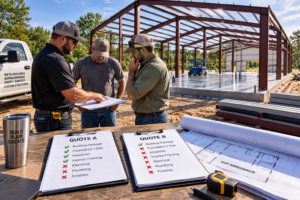
A quote should help you understand what is included, what is excluded, and what could change. If one contractor provides a short total with no details, ask for a written scope before making a decision. This is especially important with metal buildings because site work and finish selections can vary widely.
Look for clarity around site preparation, grading, concrete, building erection, insulation, interior work, utility connections, cleanup, and any work you are expected to provide. If allowances are included for items such as concrete, doors, or finish materials, ask what assumptions were used. An allowance is not a fixed final cost when material selections or site conditions change.
Also discuss how changes will be handled. A straightforward change process protects both sides. You should know when added work needs written approval and how labor or material adjustments will be documented. Good contractors do not need to promise a project will never change. They need a clear process for handling changes when they occur.
Ask About Similar Work and Local Conditions
Experience is most useful when it relates to your type of project. A contractor who has erected metal structures may be a strong fit for a detached shop, while a homeowner planning a finished barndominium should ask about projects involving residential layouts, insulated envelopes, mechanical rough-ins, and interior sequencing.
Ask to discuss comparable completed work and the construction challenges involved. Focus on practical questions: How did the contractor coordinate the foundation with the building package? What happened when site conditions differed from expectations? How were long-lead materials scheduled? Their answers can tell you more than a polished sales pitch.
Local conditions matter, too. Soil, rainfall, frost depth, wind exposure, access roads, and local permitting processes vary across the country and even from one county to the next. Your contractor should be prepared to identify questions that need answers before work begins. Do not assume a plan or price from another area will transfer directly to your property.
Check the Working Relationship Before You Sign
Construction projects involve decisions, not just materials. Pay attention to how a contractor communicates during the quote process. Do they return calls, explain unfamiliar terms, and identify missing information without pressuring you to commit? Clear early communication does not guarantee every job will be easy, but it is a meaningful signal.
Before signing an agreement, read it closely and make sure the project description matches the conversations you have had. Understand the payment schedule, estimated start window, work sequence, responsibilities for selections or owner-supplied items, and what documentation will be provided as the project moves forward. If there are permit, inspection, engineering, or insurance questions for your location, discuss who is responsible for each item rather than making assumptions.
It is reasonable to request references for relevant work and to check publicly available business information in your state. Use those conversations to learn how the contractor handles scheduling, site cleanliness, change requests, and communication. Avoid treating a single review or one price as the entire decision.
Plan the Quote Request Around Your Build Stage
The best time to contact a contractor depends on how far along you are. If you are still deciding between a garage, shop, or barndominium layout, early conversations can help identify practical budget drivers and construction questions. Contractors may not be able to give a firm quote yet, but they can point out information that should be settled before pricing.
If your dimensions, site, and intended use are established, send the same project information to each contractor. Consistent information makes comparisons more meaningful. Give them time to review it, particularly if they need to visit the site or coordinate with a building package supplier.
Do not rush to accept the first estimate simply because your project feels urgent. A short delay spent clarifying scope is usually easier than resolving a misunderstanding after materials are ordered or concrete work begins.
Finding the Right Contractor Network
A local search is a useful first step, but it can produce a mix of suppliers, shell installers, remodelers, and general contractors with very different capabilities. Narrow your search by describing the exact project type and by asking direct scope questions from the first conversation.
Homeowners planning a barndominium, shop, garage, or other metal building can use Turnkey Floor Plans’ Find a Turn Key Contractor resource to look for independent contractors serving their state or service area. It is a starting point for making informed connections, not a substitute for reviewing proposals, qualifications, and project fit yourself.
Contractors who build these projects can also join the nationwide network through the FREE contractor signup form. A clear listing that identifies service areas and project specialties helps homeowners reach out with better information and helps contractors spend less time sorting through mismatched inquiries.
The right contractor is the one who can explain the work, define the scope, and work through the realities of your specific property. Bring a clear project brief, ask direct questions, and take the time to compare what each proposal truly includes. That is the practical path from a nearby search result to a build you can move forward with confidence.
Leave a Reply